
Together We Make A Village
At ACM Homes, we don't just build houses. We forge values-oriented families.
We don't just construct communities. We design a human-centered living environment.
We don't just present financing packages. We make hope accessible.
We don't just offer after-sales customer service. We safeguard the trust invested in us.
About us
ACM Landholdings, Inc. (ACM) is a well-established, award-winning housing developer that specializes in building high-quality, affordable homes, holistic and human-centered communities where Filipino families can live with pride and joy.
ACM Homes, for over 31 years, has provided buyers from all walks of life with homes and communities that exceed expectations offering the real worth of residential property investment. Through the years, ACM Homes continue to present excellent developments of sleek designs, quality construction, impressive locations, and flexible property portfolio that suit every Filipino desire of owning a home.
32
years in industry
35
developments
14,000+
houses
Vision
ACM Homes’ vision is to create a lifetime of pride and joy for Filipinos
by helping them realize their dream of having a home to call their own.
Mission
The company’s mission is to enable Filipinos with dreams of abode to have their own homes in the communities that we build where design excellence, developmental attributes,and innovation result in blissful human living experience.
Values
ACM Homes is committed to its values of
INNOVATION, PASSION and MAKING A DIFFERENCE.
Our Properties
Over the years, ACM expanded in key areas in the country, Cavite, Batangas, Iloilo, and soon in Bulacan.
ACM offers premium affordable products that uplift the standard of living of low to mid-income Filipinos, functionally elegant homes founded upon ACM's proven design philosophies.

1
4
ACM Design
Philosophy
2
3
USABILITY
AESTHETICS
ENVIRONMENTAL
SUSTAINABILITY
COST EFFICIENCY
Home to your Lifestyle
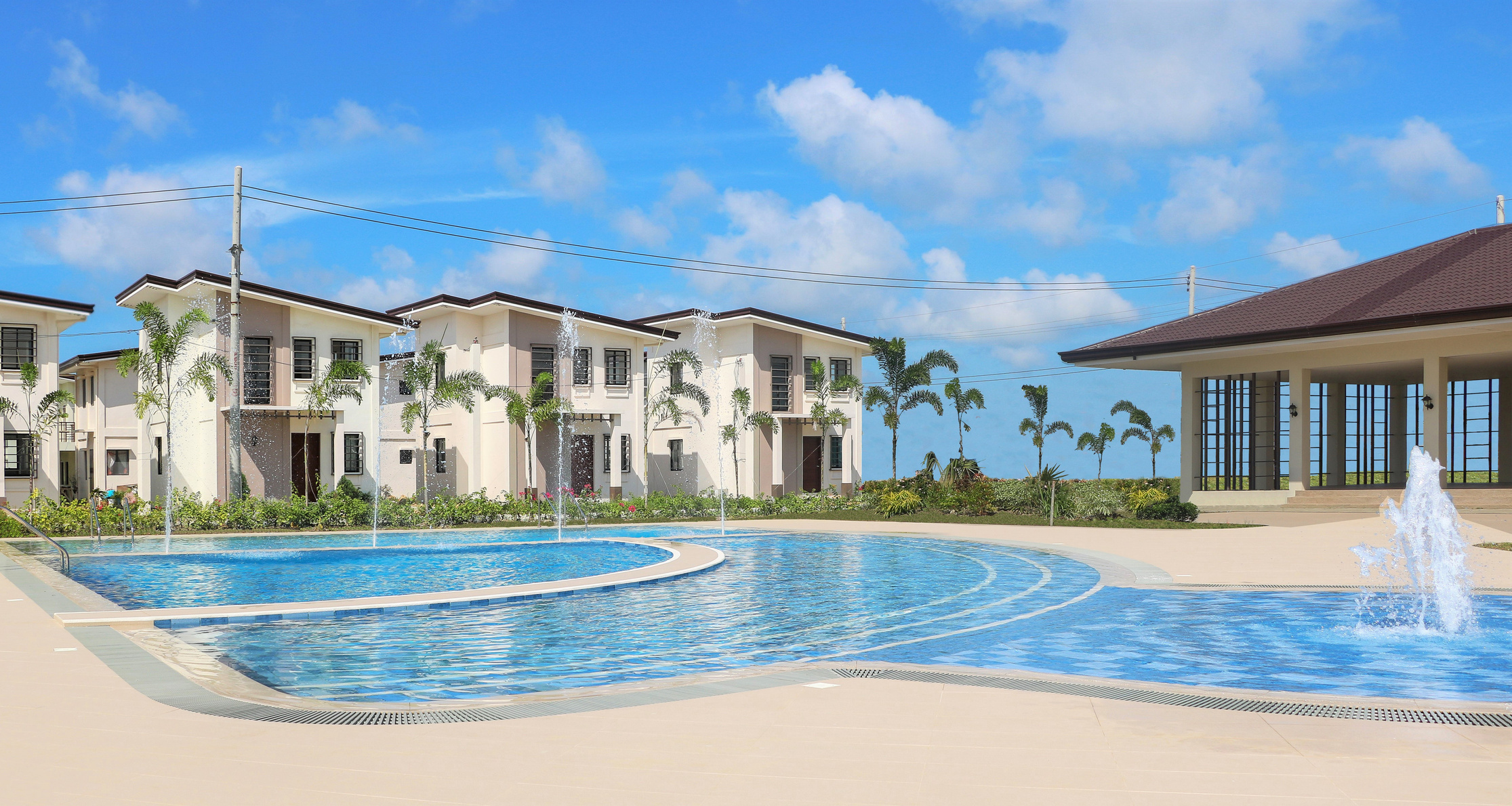
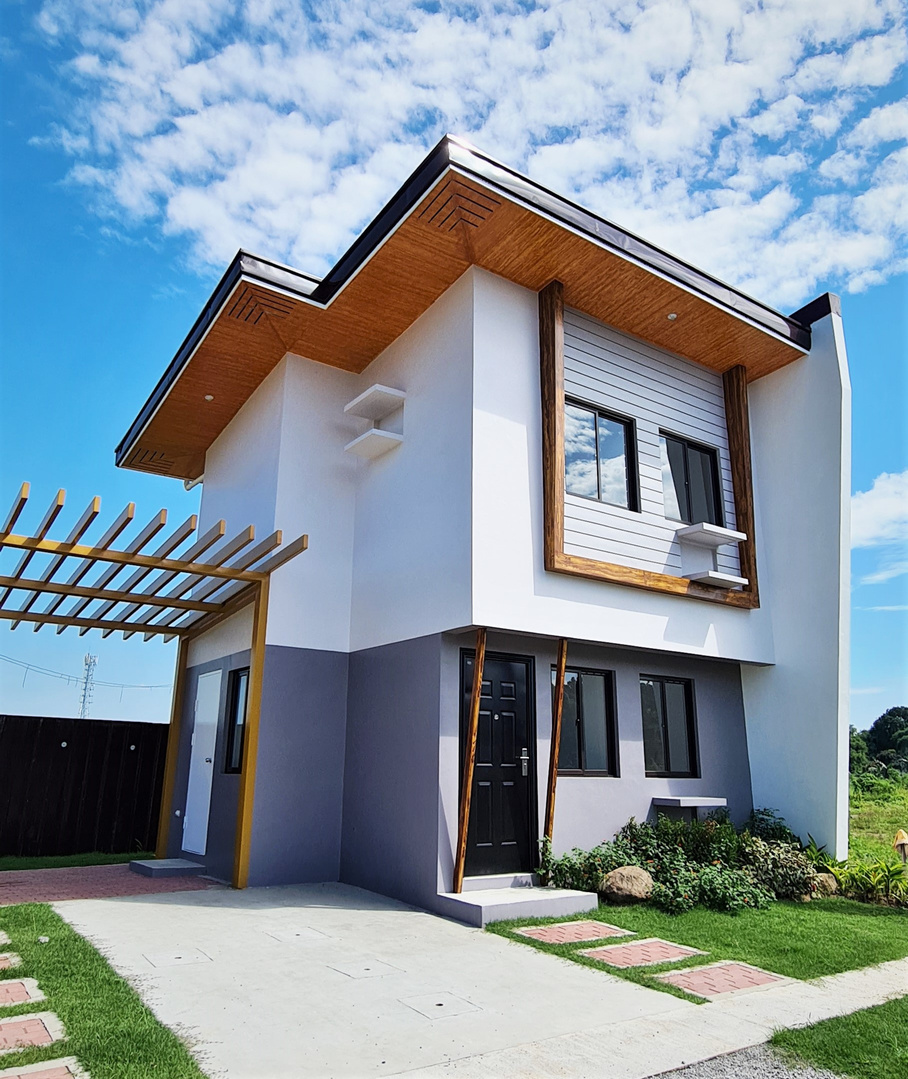
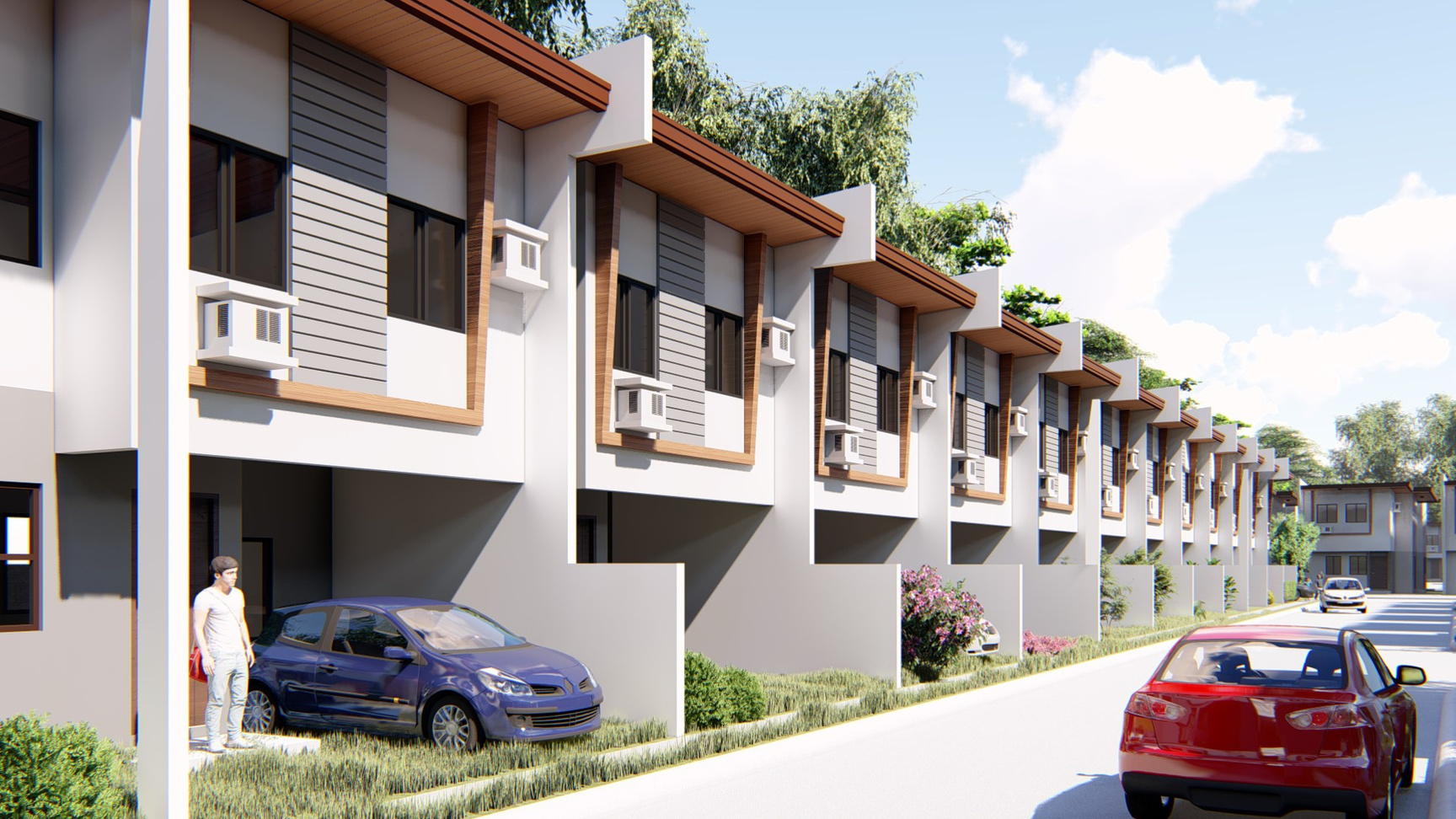
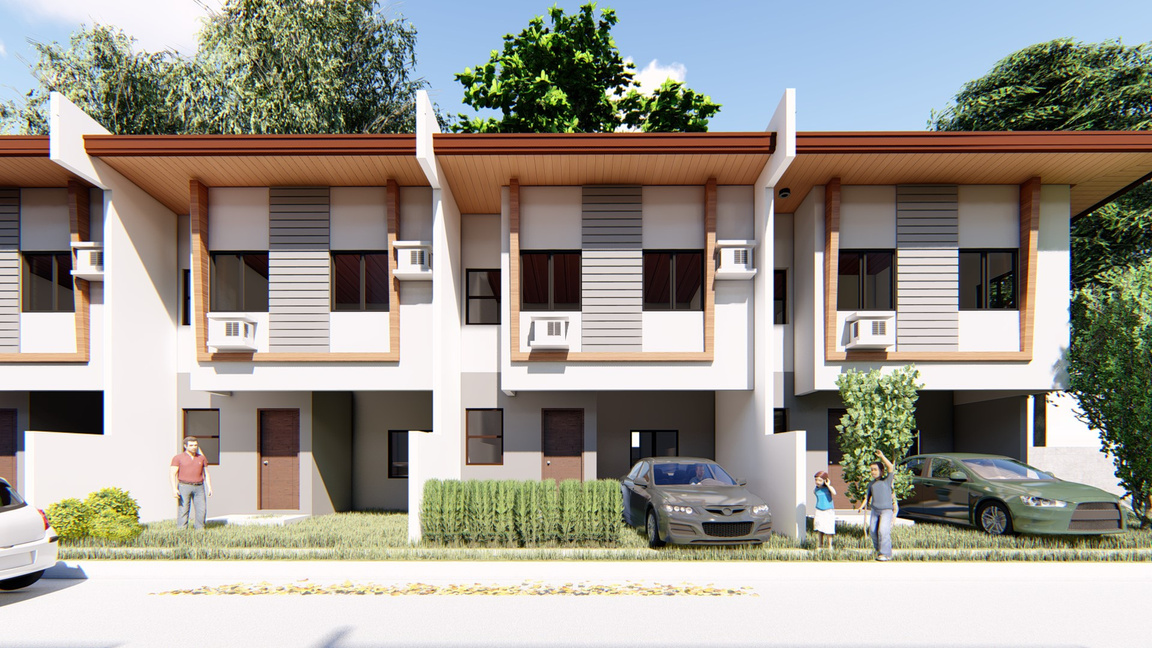
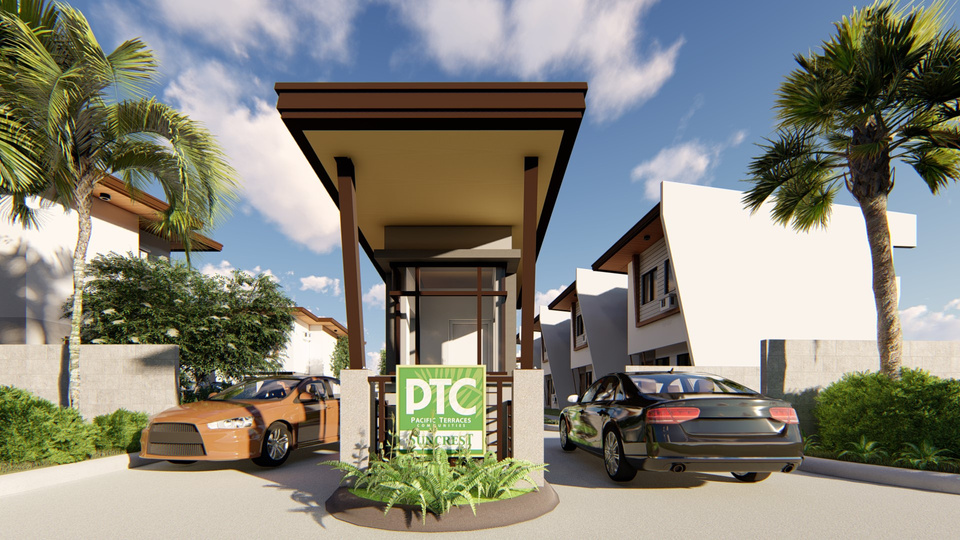
An exclusive and serene manor of 172 fully finished exquisite single attached and townhouse units in a 2.7-hectare pocket development in Imus, Cavite.
PTC Suncrest is a place of modern contemporary designed residential houses with amenities and facilities that promote community spirit.
PTC SUNCREST
Carsadang Bago 1, Imus, Cavite

Your Home in Green
A sustainable and green community with 459 house and lots located in a 4.6-hectare stilly arcadian neighborhood in Trece Martires, Cavite.
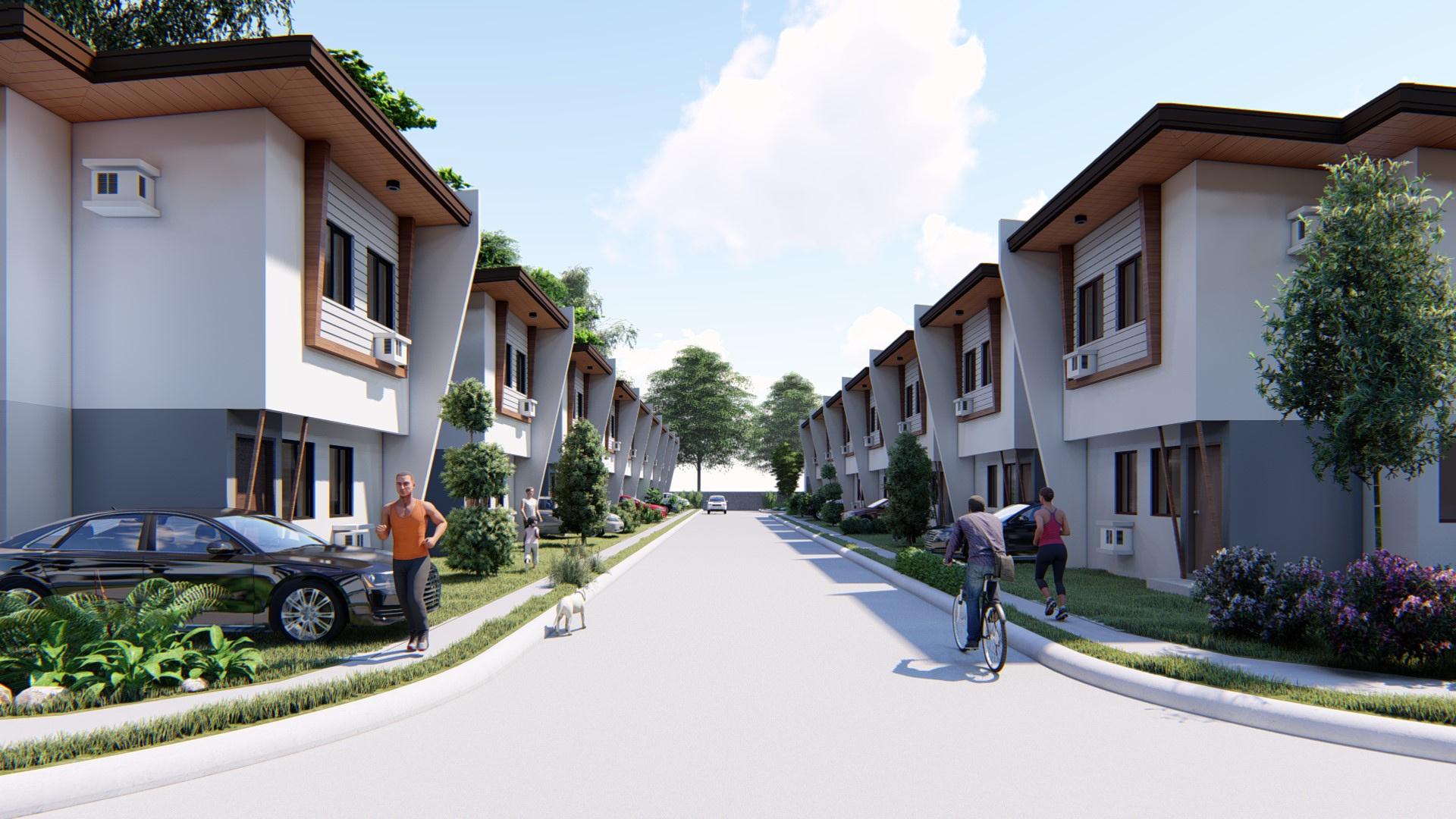
HANA South embraces well-defined, comfortable, convenient, and bustling townhouses purposively providing every Filipino a place to call home.
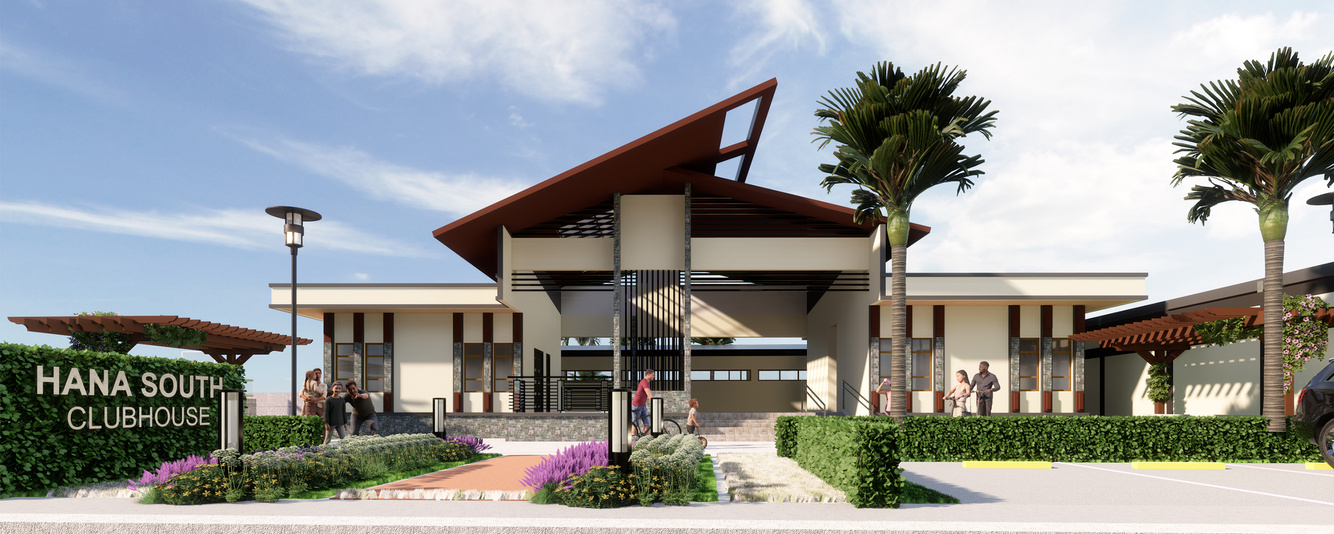
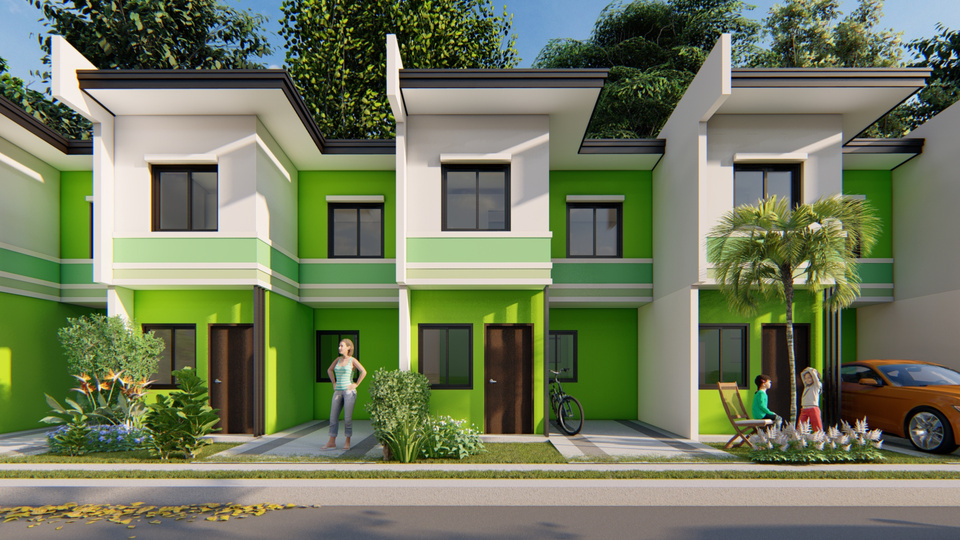
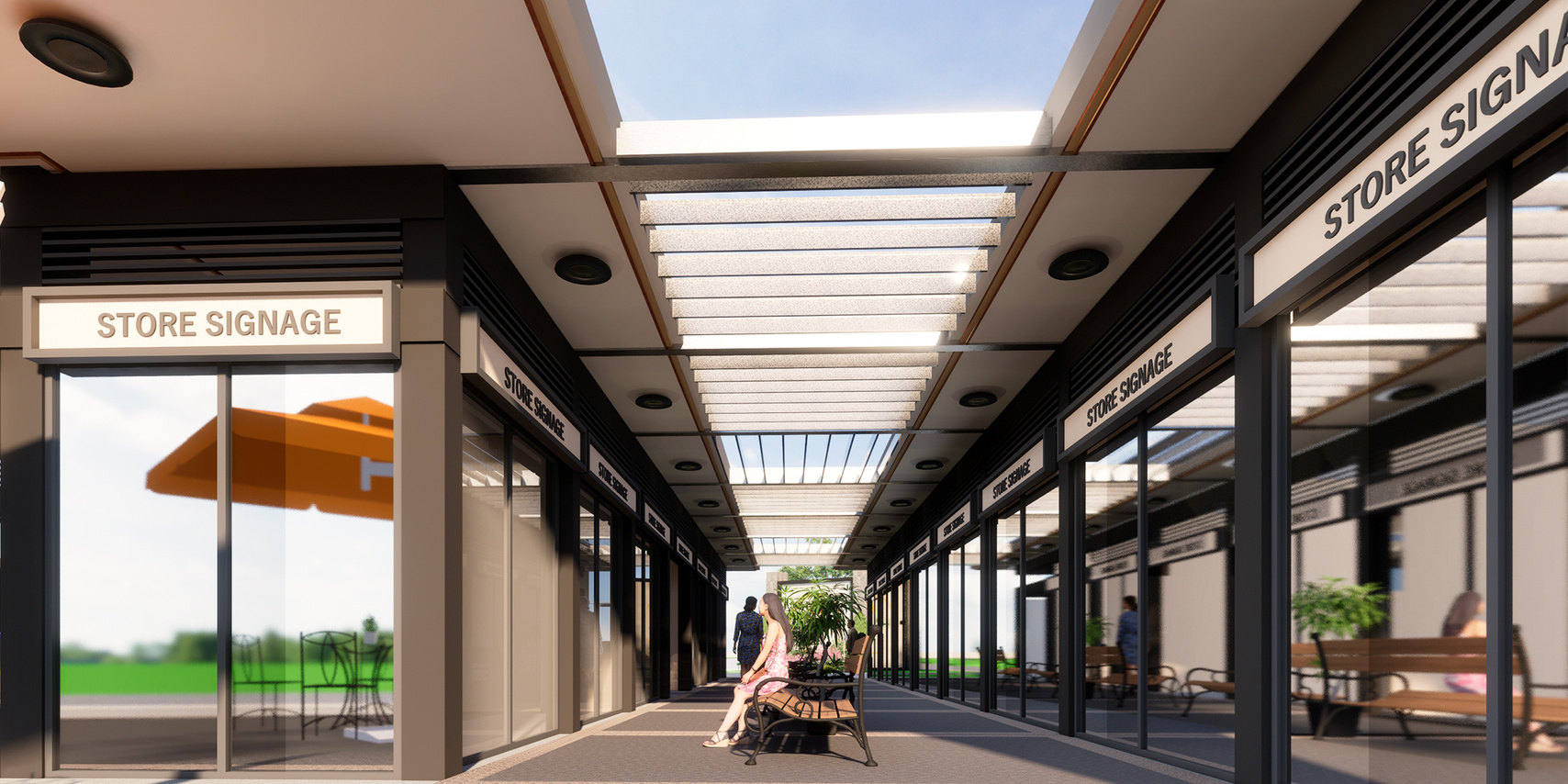
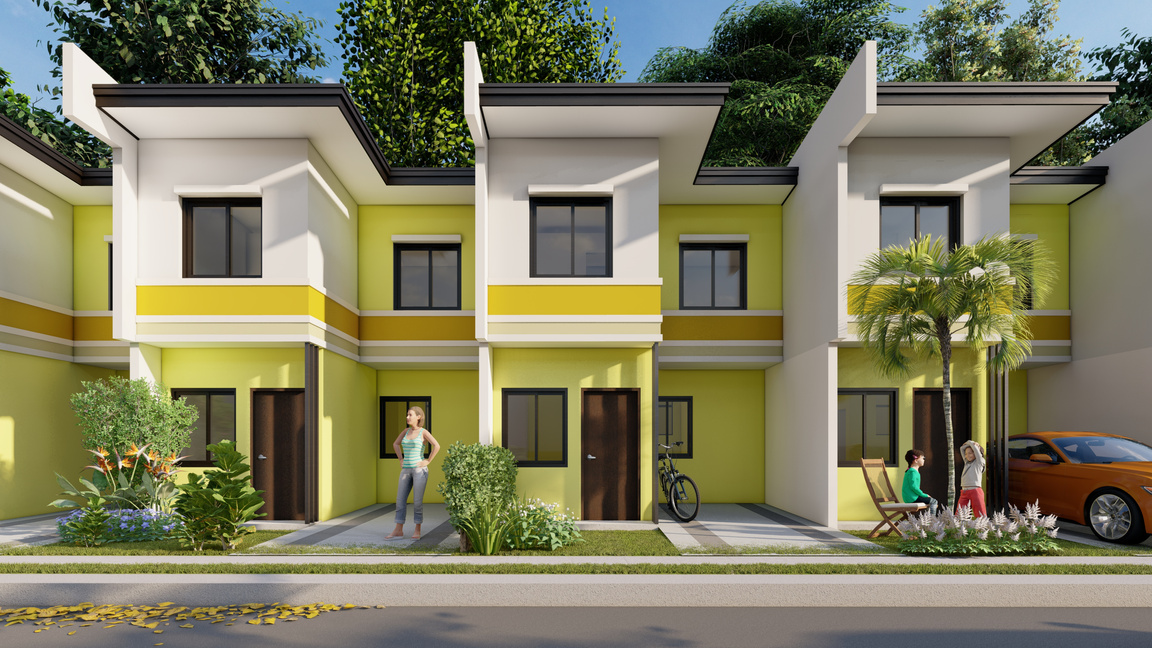
HANA SOUTH
Trece Martires, Cavite

Live the Life it's Best
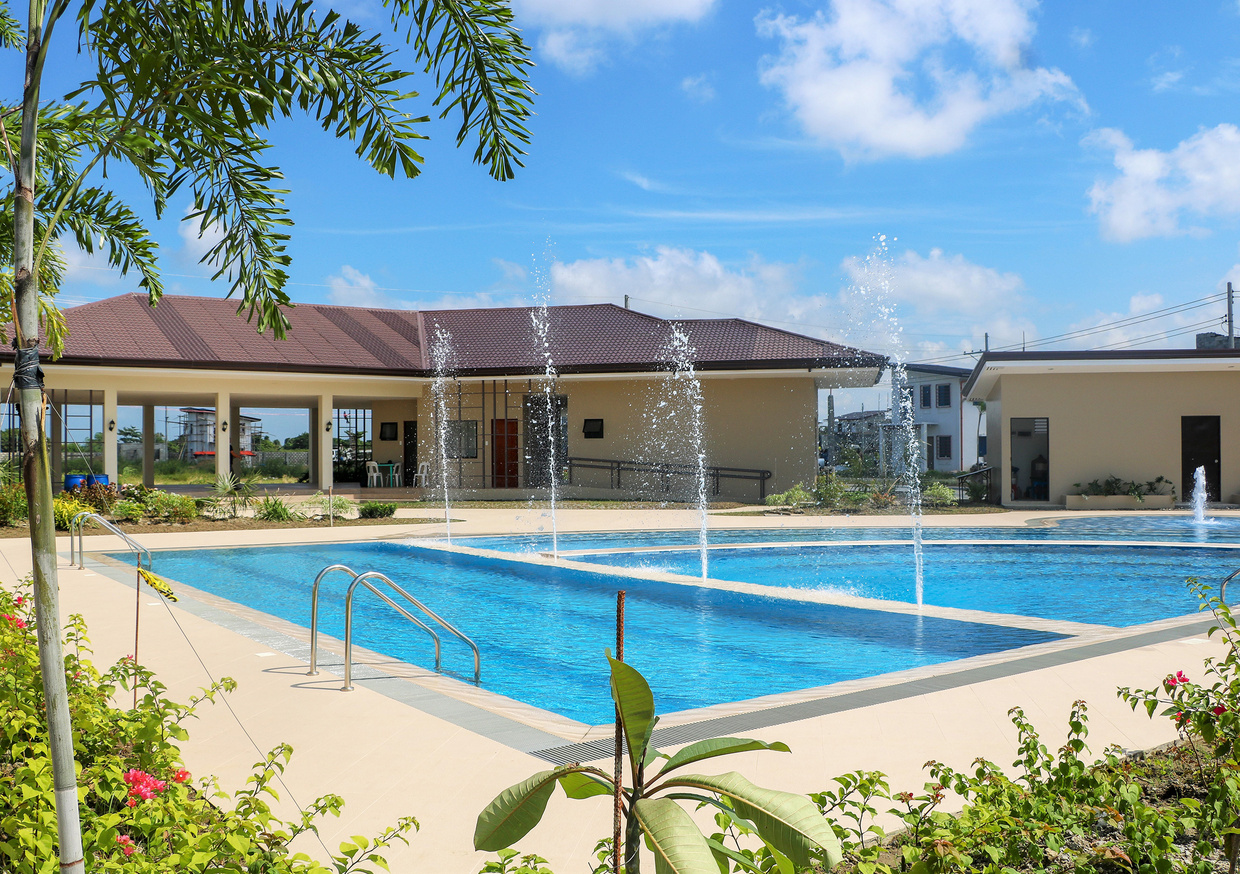
Salas Real, the most prestigious address in Jaro, Iloilo is situated in a 12.74 hectare exclusive village with 555 house and lots that reflects serenity and finesse with subtle Spanish touches evocative of the Filipino Bahay na Bato in every house model.
The model homes' Angelina, Bernadita, Christina and Rosalia’s simple, clean lines with louvers and a veranda meld with the community's lush natural landscape and community green design with first-class amenities.
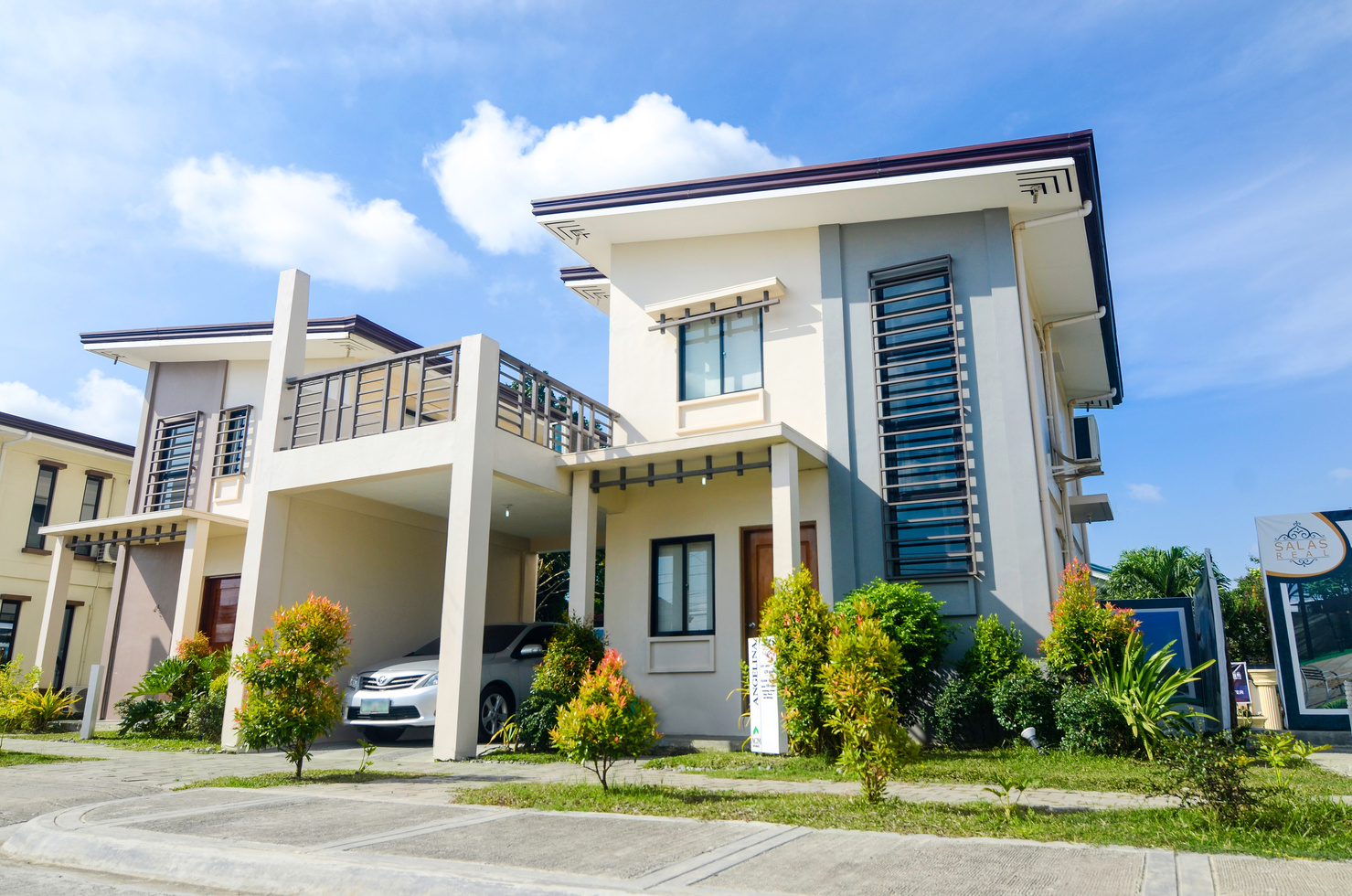
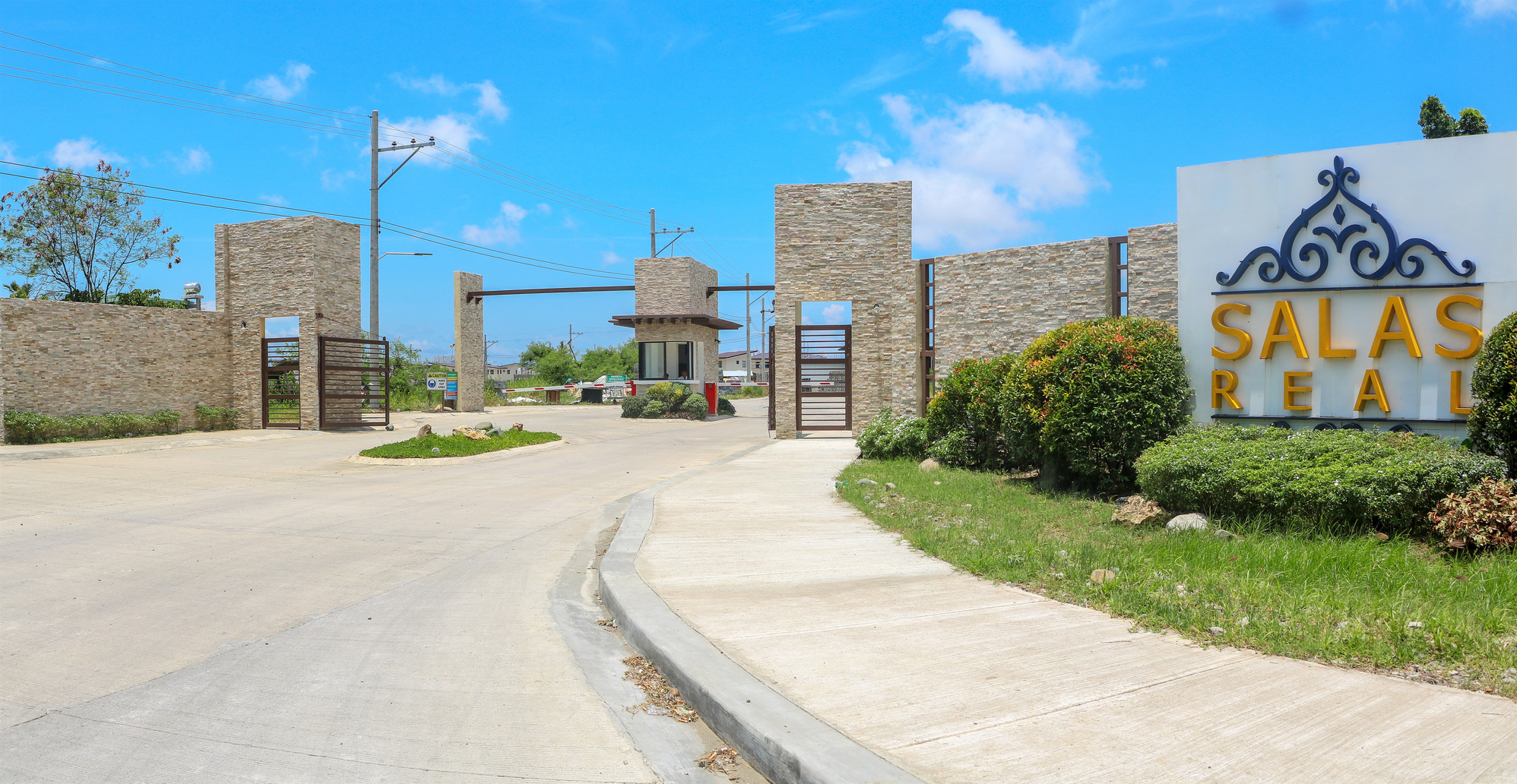

SALAS REAL
Brgy. Tacas, Jaro Iloilo
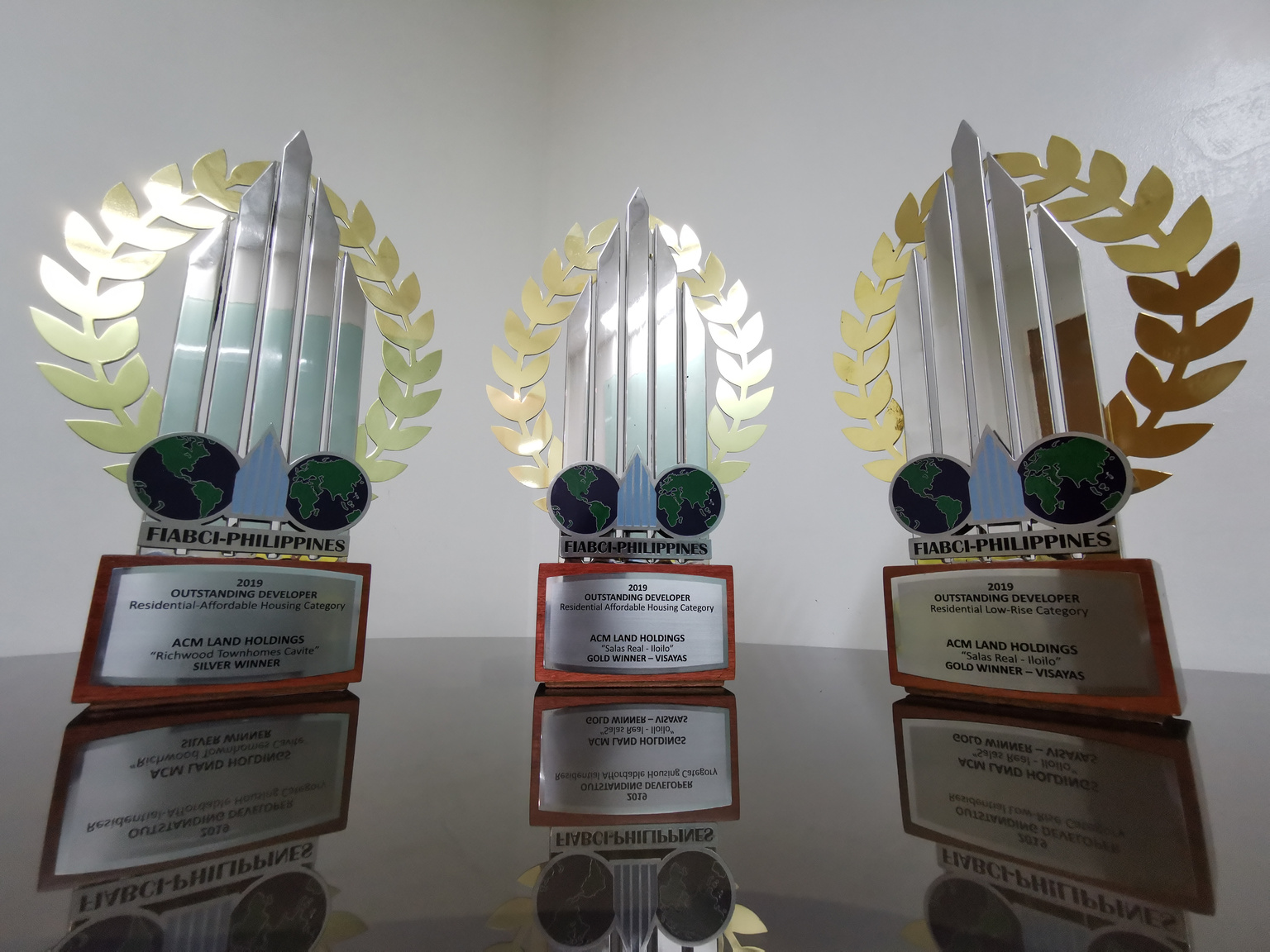
Our Awards
2019 Lamudi Outlook Awards
Highly Commended Boutique Developer of the Year (Luzon)
Highly Commended House of the Year (VisMin)
Highly Commended Boutique Developer of the Year (VisMin)




2020 Asia-Pacific Entrepreneurship Awards (APEA)
Corporate Excellence Award – ACM Landholdings
2019 FIABCI Property and Real Estate Excellence Awards
CGold – Residential Affordable Housing (Visayas)
Gold – Residential Low-Rise (Visayas)
Silver – Residential Affordable Housing (NCR)


Arts & Crafts
Communiteam
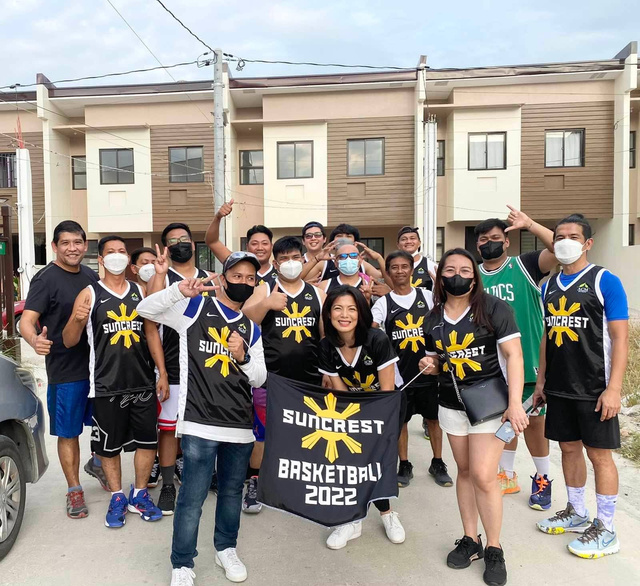
Basketaball
Tournament
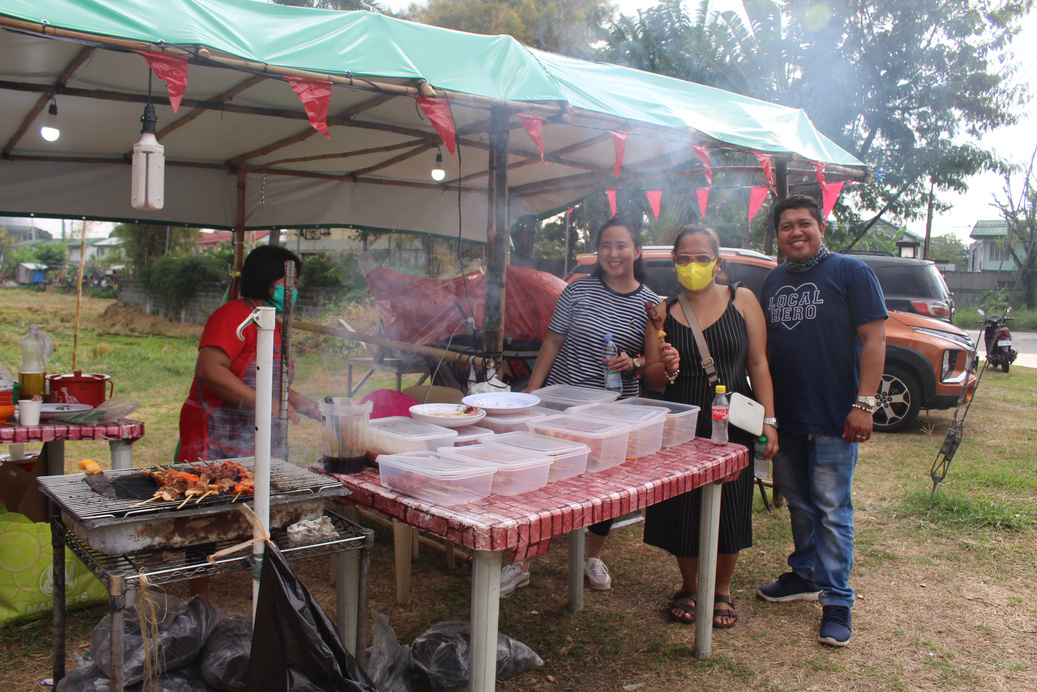
Community Bazaar
It's all about Food

Fun Run
Activity
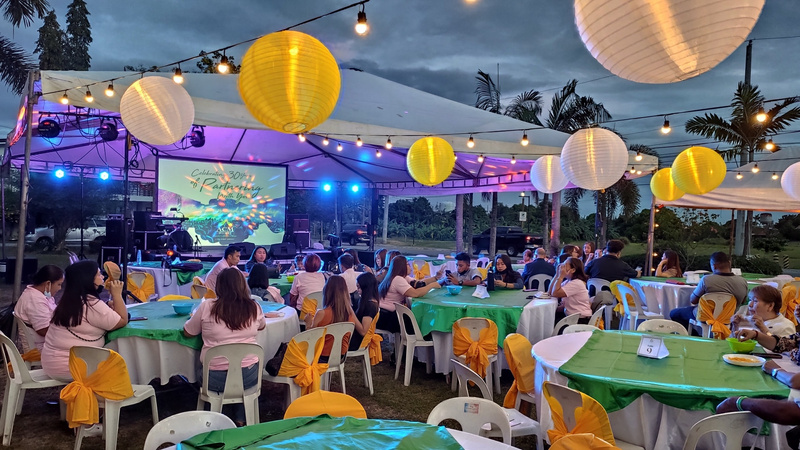
Sellers Night
A Night of Fun
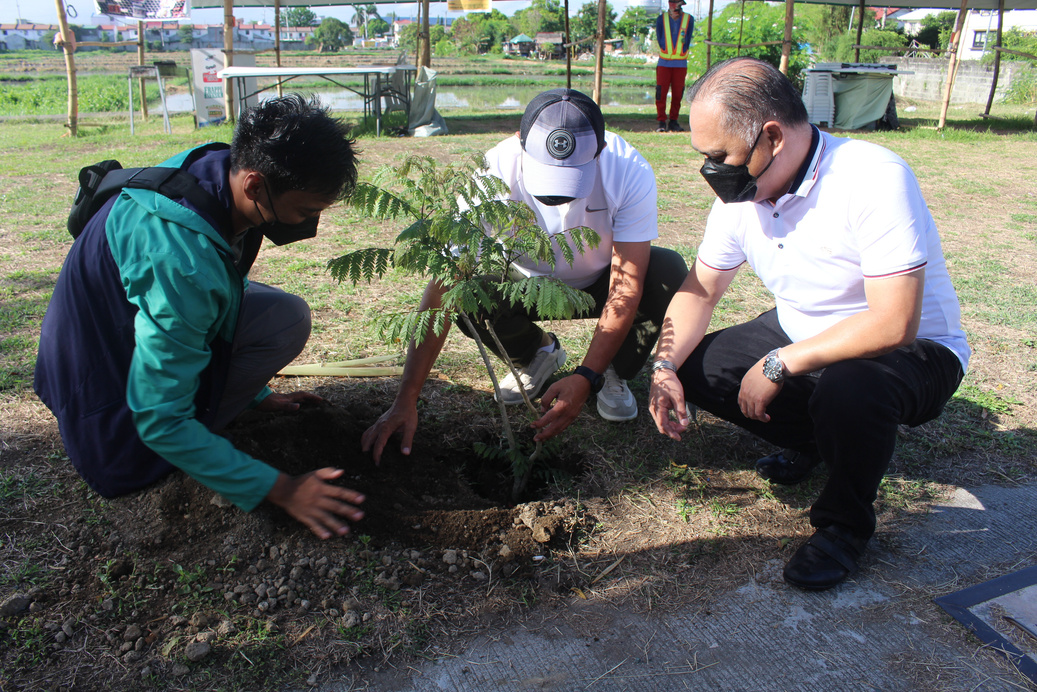
Tree Planting
Program
Board of Directors
Chairman of the Board Directors
Gerardo A. Borromeo
Directors and Co-Founders
Carolina S. Osteria
Antonette P. de Guzman
Directors
Christina Salinas-Manzano
Zorayda Amelia C. Alonzo
Vivian Catalina C. Cristobal
Sharon Lynn F. Uy
Jaime Miguel G. De Sequera
Rommel R. Ramos
Restituto F. Padilla, Jr.
President
Meldin Alfonso G. Roy
Chief Operating Officer
Jose B. Amantoy, Jr.
Main Office
CSJ Building, 105 Aguirre St. Legaspi Village, Makati City
CALL US TODAY
0917-874-6676


Contact Us
PROPERTY CONSULTANT
(632) 8 840-3020 local 122
sales.admin@acmhomes.com
CUSTOMER RELATIONS SPECIALIST
(632) 8 840-3020 local 104
Luzon 0955-563-6080 | Iloilo 0945-263-2625
customerrelationship@acmhomes.com